Showing posts with label Gear. Show all posts

Thursday, February 05, 2026

My 5 Nonessential Essentials in a Winter Hiking Trip


While trudging along the trail this past week, enduring frigid temps with cold winds that can cut through even my heavyweight fleece, I thought about those things that some may not consider essential but you are sure to find in my pack on a winter hiking trip.


1. Cell Phone - an important tool, especially if the trip goes wrong. The camera feature makes many memories of your winter adventure. Another item of value - the Garmin InReach. It can be used in emergency situations that may well save your life.

2. Chapstick – Oh yes, that tiny little tube of wonder that keeps your lips from drying and then cracking when you near the end of your journey, smiling from a great wander. Sore lips are no fun, especially if you plan to stop at the taco joint afterward. Ouch.

3. A Seat Pad – once a luxury item, maybe a HUGE necessity when you plan to stop for a break or lunch and find the rocks covered in snow. Or even sitting in the cold on an ice-cold rock just makes you downright chilly. Thermarest and other brands make nice lightweight options to keep your tushy from freezing on a break.

4. Traction devices like Yak Trax or Microspikes.  I can’t begin to say the number of times I have begun a trail without anything on the ground, only to hike higher in elevation into unexpected snow and ice. Traction devices have saved a hike, turning what would have been a treacherous journey into an enjoyable, confident, and safe excursion.

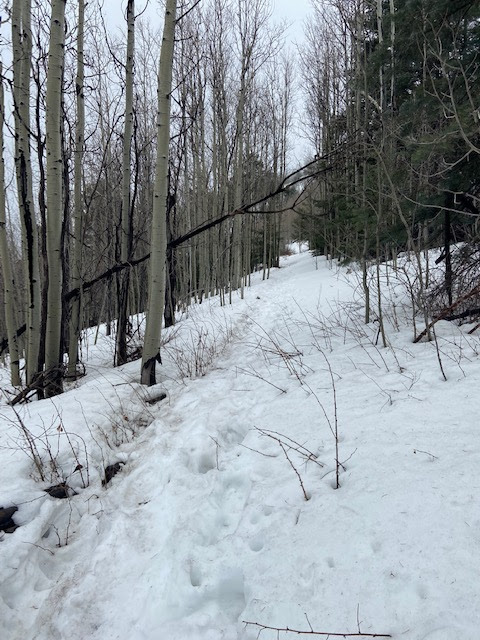
Unexpected icy trails - Yaktrax or microspikes helps the trek

5. Wind shirt – While pricey at times, this ultralight garment is truly a necessity when the winter winds whip up, cutting right through your Polartec fleece or merino wool top. It provides just what you need to block the wind and keep you warm. I like it too for an extra layer. Be sure a down jacket is part of the packing. Most are packable into a stuff sack with little effort. It comes in handy when stopping for a snack.

Your turn – what are your nonessential essentials?

Be sure to also check out my blog on Day Hiking in Winter

Other related blogs:


Sunday, January 05, 2025

Hiking in the Winter

Winter snow and ice on the Pocosin Hollow trail in Shenandoah National Park
A day hike in the winter can be a wonderful experience. Cold, brisk days. Outstanding views you can’t see in the summer. No insects. Few visitors. Ice sculptures on cliff faces and waterfalls.

But it also requires careful planning so it becomes an experience to treasure and not to dread. Winter hiking usually involves winter travel. That means walking on snow and ice. In normally warmer climates, when winter precipitation falls, snow can thaw and then melt, making for icy travel (such as in Shenandoah National Park where I just walked an eight-mile circuit hike in snow and ice). Snow walking can easily sap your strength quicker than you realize. When planning a day hike, it's important to use wisdom in calculating time and distance. Don’t be afraid to limit your hike for the day. It’s better to walk the trail and return safely with limbs intact than try for a higher mile day, slip due to fatigue and sprain an ankle or worse.


When walking on snow and ice, some sort of traction device on your feet is wise and makes for better assurance on the trail. Yaktrax works well in snowy conditions. Microspikes (such as Kahtoola) are useful in steeper and icier terrain. When walking in snow, use trekking poles to help with balance and give support in icy spots or over stream crossings. Take care that sometimes snow will cover rocks and logs in the path which could trip you up. Also, you are working ligaments and tendons much more in snow. Don’t overdo it or it can set you up for overuse injury such as straining a calf muscle, overworking the arch in your foot, or putting a strain on the Achilles tendon. It's also a good idea to use gaiters to keep snow and ice out of your boots. Once inside your boot, the snow can chill your feet and even cause frostbite and blister issues.

If you are contemplating a winter hike, carry the necessary gear in a sturdy daypack. Typical gear includes warm clothing (hat, gloves, insulated jacket, a pair of silk long johns can add warmth under clothing with minimal weight, a wind jacket helps break a cold wind or bring a rain jacket), a first aid kit, a headlamp (there is much less daylight in winter), maps, food and water, and a charged cell phone. Be sure to let someone on the homefront know where you will be and how long you will be gone.
Winter view from Hightop Mountain, Appalachian Trail, Shenandoah National Park

With just a few safety measures, winter hiking can be a great experience.


Related Blogs:


Wednesday, April 19, 2023

The Arizona Trail - Part One

 Hiking the Arizona Trail was a totally unique experience in the realm of hiking. I’d hiked over 10,000 miles, mostly in the East, but Arizona was the farthest west I’d traveled for a trail. Here are some practical observations after hiking 350 miles of it from mid-March to mid-April, beginning at the border and hiking to Roosevelt Lake.


The border. I hiked down to the border with a friend and was glad I did. There was plenty of action. The Miller Peak area can be very active with border hoppers - wearing camo and day packs or wrapped in blankets and wearing Converse sneakers in the snow. Most are carrying gallon jugs. Try to hike the mountain in one day, esp. if it's foggy (like it was for me). Keep an eye on your surroundings at all times. Don't linger. Try to get a very early start and hike the border and Miller in one long day. 

Gates abound on the trail. I probably opened at least fifty of them and all with different mechanisms. Most of the trail lies within pastureland, even though it’s desert and cattle are grazing, so opening and closing gates are part of the experience. And get along with the cows. They are on the trail. I sang a song. “Oh, the hiker and the cows shall be friends” (from te movie Oklahoma! - lol). It worked well.

Learn how to get water. 


Of course, we hikers expect streams and creeks, which there are some on the Arizona Trail. But many times water is found in unexpected places, such as troughs, storage bins, water collection devices from rain - of which they are installing several on the trail - and other places. I carried two different methods of purifying (Sawyer and Aqua Mira) as some cow ponds for water are - yes, cow ponds, dung and all. And yeah, you will camp among the cow pies. It happens. 

There are a few water caches for hikers. Which is very much appreciated. But do not rely on them. Ever. What gallons may be there on the Far Out app can disappear in just a day or two with hiker bubbles. Don't be caught dry.

The air in Arizona is very dry so it’s vital to maintain hydration. Your skin dries out, your mouth dries out, and your nasal passages bleed easily. Many hikers complained of nausea. It’s vital to maintain hydration and to also take electrolytes, which I never used to do but now am a firm believer. You also must use sun protection. Hat, sunglasses, sunscreen, long hiking shirts. Your skin is susceptible to sun poisoning. Keep it covered. Seek shade as best you can when resting. Do not sit and rest in the sun. And hydrate, hydrate.


I was amazed by the variety of foliage on the trail during this first half – but mostly prickly and burning. Even the trees. A good first aid kit and knife with tweezers are a must out there because you’ll get embedded thorns and other issues. And some of those thorns get easily infected. Make sure you remove them. If you set down your hiking poles and then pick them up, watch hitchhiker thorns. Be ever careful of thorns when setting up your tent and using an inflatable sleeping pad. I carried a thin ensolite foam pad to protect my main pad from prickers. But my inflatable seat cushion didn't make it. 

Walking in sandy soil for miles is tough on your feet, so blister protection is vital. And carry enough socks.


The Arizona Trail is not blazed. It is navigable through rock cairns, which are all over the place, esp in gorges, scattered signage, and following the trail on the Far Out app on your cell phone. At times small signposts let you know where the trail is at or small AZT markers.  But I got lost in a few places. And I followed lots of footsteps, except if they went in the wrong direction, like atop a snowy Mica. I also carried the Garmin Inreach mini, esp in part two of the hike, and was glad I did. Loved ones could follow my progression, and in case of rescue, I was covered.

There are places you need reservations and backcountry permits. Like Saguaro National Park. And of course, Grand Canyon when you get there. Plan accordingly. Both national parks though are great working with hikers doing the AZT.


This trail is not cheap. From air travel to shuttles to mailing food drops and town stops, along with gear, it’s expensive. Plan accordingly.  

Along the Arizona Trail in March, one can go from snow to hot desert. You need to be prepared for anything from the 20s all the way up to the 80s, requiring a variety of gear.  I did carry EXO spike traction devices for snow which were only good in the morning when the snow was firm. Slushy snow which I had on Miller Peak causes you to slip and fall which I did multiple times. One hiker actually lost his sleeping pad off the mountainside because of a fall. 


2023 was an extreme challenge in the weather because of all the high snow levels, so I actually hiked the trail in two sections. But because of those high snow levels, hikers bubbled up into groups, and we got to know each other. The Arizona Trail ended up being much more of a thru hiker type atmosphere like the AT - moreso than any other trail I’ve been on in recent years. And I’ve been on a lot of different trails. So it was nice to have that feel of an AT community in hiker towns like Kearny, and other places. Trail angels abound, and there is a good Facebook group to connect. And it was fun running into hikers along the way. We are all out there in it. We’re experiencing the different parts of the trail. It’s highs and lows. And learning from it is always the hallmark of a hike.


Tuesday, July 05, 2022

Where Should I Go? Six Things to Consider When Determining Your Hiking Trip

There are so many places. So many trails. So many adventures waiting to be had.

Lots of trails. Lots of choices. 

What to do? Where to go? 

First, take a deep breath. Yes there are lots of places to explore. Maybe this is not the year though to do the big trails. The shorter trails, even trails in your own state, can bring great satisfaction and unique experiences than just the big trails we always hear about. No one heard of the Allegheny Trail in West Virginia which I thru-hiked in the past. It doesn't get the major press and hoopla. But wow, did I learn a lot by doing it. And grew in my hiking knowledge that I can now share with others. And it ended up being the catalyst for the Florida Trail the following winter. One never knows where a hiking adventure will lead. 

My finish of the 1100 mile Florida Trail, Feb, 2018

If you are planning a big one – like a multi-day backpacking trip, take a few things into consideration in planning. Some say you can just drop everything and go. Not wise. By taking the time to think things through that maybe you hadn’t yet considered, you will be steered towards that perfect trip meant for you! And without the distractions, misplanning can cause.

1.       Time. Do you have the time to do the trip you are considering? Will you need to take vacation time from work? Or a leave of absence for a major hike? Take into consideration how long the trip will take. You won’t be able to do 20-mile days. A 50-mile trip may take you five days. Plan accordingly.

2.       Money. It takes money to do a trip. Money for gear. For traveling to and from your destination. For expenses on the hike. For paying the bills or other needs on the homefront if you will be gone for an extended period of time. Be sure there are the finances to do this. Don’t think – oh, I will earn money on the way. Or I can skimp on things along the way. Or raid hiker boxes, etc. More often than not it never works out the way you think it will in the comfort of your home. Always plan for more money than you will need. Save up and be self-sufficient.

3.       Physical State. How are you physically? It is important to know if you are able to hike safely the trip you have planned. Even weekend getaways. Carrying a backpack is not the same as walking or running. It uses muscles differently, especially bearing a full load. For instance, if you are having knee issues, it’s doubtful they will suddenly go away on a hike! So take care to get checked out by the Dr. Get fixed what needs fixing so you don’t exacerbate a condition. If you need to change shoes do so. Work on physical strengthening, etc., do it. And make sure you have the proper gear and you are not burdening yourself with lots of extra weight that can rapidly turn a trip into a grueling experience. Learn from others on what to bring and what not to bring.

4.       Social Aspects. Are you going on this hike with others or going alone? Both need planning. For instance if going with a buddy, do you both hike roughly the same pace? Can you live with that person for an extended time? If the buddy must leave the trail on a long-distance trek, can you go on alone or are you sharing gear? Decide who carries what gear or if you should carry your own (which is a better idea). If you are going solo, prepare with your safety in mind. Maps, a cell phone, a guidebook, knowledge, even some personal safety devices like the Garmin Inreach. Are you also ready mentally to spend days and nights alone? Much of this can decide the kind of trip you want to do.

5.       Gear. Do you have the gear for the season and the area you plan to hike? Research ahead of time what you are going to need to accomplish your adventure. Adequate footwear, clothing, outerwear, sleep and cookwear. The backpack. All important. But remember, gear first, backpack last. Make sure you know weather conditions ahead of time and prepare accordingly for whatever you might face.

6.       The Mental Aspects. Are you accomplishing a hike to chip off sections on the AT? Doing a thru-hike of the John Muir Trail? Or going on your first expedition? Are you seeking waterfalls or a great view? Or another hiking challenge. Whatever it is, be sure your heart and mind are into it. The mental aspect of a hike is the number one thing that can kill it altogether if you are not ready and eager to get out there and experience the lows as well as the highs. The good and the bad. All of it is a learning experience. Stay positive even in the hard stuff. Limit expectations and take it one day at a time.

By looking at these different aspects of a hiking journey, you can better prepare for the perfect trip to fulfill your hiking dream this year. 


Tuesday, April 14, 2020

Can’t Backpack Right Now - 7 Things You Can Do Instead


Ok, if you are like me right now with the pandemic, watching your hiking plans evaporate for the time being, wondering when you will be able to hike again, here’s some things you might do to lessen the hiking blues.

1. Get outside anyway. Even if it’s landscaping like planting, starting veggie containers, walk the dog or walk yourself in parks or other areas that are open. It's important to get out for mental and physical wellness. Sunshine and fresh air are necessary. Exercise as best your can.

2. Take the time now to do a gear inventory. Start sorting out your gear closet to give away or sell. There are many used gear places to sell gear on the Web and on Facebook. Some require you to sign up.
Give away used gear in good condition to needy local scout troops or other youth groups in the area. 


3. Throw out gear that is not usable. Expired food, medicines. Other unnecessary items. Make a list of what you may need in the coming months for your trip.Take time to scan the Internet for updates to your gear. Check out hiking forums for what’s good and what’s not.

4. Take out some maps and books and decide where you want to venture when trails open. See what time you have this year for a hike. Start nurturing those hiking dreams. Or read other adventures out there - I  have books out on the AT and the Florida Trail!  

5. If you have a dehydrator, its fine to start dehydrating some foods and creating recipes. They can safely be stored in your freezer until you are ready to go. Check out forums for backpacking recipes.

6. Check out some interesting hiking movies out there. Some out there right now like what the Backpacker Magazine Poll says about fav and not so fav hiker movies. 

7. Be a part of online hiking forums and in social media. There are many new faces out there who want to learn from those who have been there. Use your experiences to help others discover the treasure of hiking. But please, don't debate other plans or disrespect or argue with fellow hikers. Now is the time to support. Be a friend of the trail and of other fellow hikers. We all need it right now! And if you are feeling real blue, please call a friend. Don't drown it in alcohol and drugs which will make things worse. Stay positive and focused.   

The good thing is, the trails will still be there as will some great hiking when the opportunity comes again. And it will...


Friday, March 06, 2020

The Spring Backpacking Gear List


The spring backpacking season is here! Use or adapt this gear list to prepare for a spring backpacking adventure in the east and have a great time!


Backpacking Gear List
Compiled By “Blissful”  


Hiking
Backpack, pack cover, trash liner bag, hiking poles

Sleep
Sleeping bag (15-20 degree rating but depends on season), compression sack or good waterproof sack for sleeping bag, silk liner (optional, good for cold sleeper), sleeping pad, Tyvek ground sheet to protect tent floor from mud; snow, tent poles and stakes (or complete hammock set-up), air pillow (optional - I use Klymit or Exped)

Cooking and Drinking
Stove, fuel and fuel container, lighter, windscreen (optional), titanium pot, pot cozy (all this is incl if you get a Jetboil system), lexan spoon or spork, cup (useful for stream dipping), container for getting water, personal water drinking containers (such as liter plastic bottles - Smartwater or Lifewater bottles are good, etc), water purification (Sawyer Squeeze system or Aquamira work in many instances), 50 feet of paracord for bear bagging, waterproof food bag with food (8-13 liter)

Clothing (can vary depending on your likes and the season)
Hiking clothes (merino wool long sleeve top, one t-shirt top, convertible pants, fleece top) Insulated jacket (down is good for spring, late fall), windshirt, hat, gloves, midweight merino wool or fleece top and bottom for camp and sleep (depends on season), rain jacket (pants optional, but needed in spring and fall, rain skirt is another option), rain hat is good for glasses, wicking underwear, sports bra (women), good socks (at least three pair for long hikes), crocs for camp, trail shoes, good waterproof bag for clothes

Personal
Late March in the Smokies can still mean old man winter.


Headlamp, First Aid Kit, medicines, toothbrush and paste, dental floss, earplugs, prescriptions (esp. for vision), hiker wallet with ID, cash, a few personal checks, credit card, debit card, toilet paper, a few baby wipes, hand sanitizer (at least 70% alcohol), chapstick, whistle, picaridin bug spray, facenet (optional, depends on the trail)  sunscreen (no leaves means burns can happen), body glide (if prone to chafing, can take it out of its container), small jackknife with scissors, bandana, pack towel, assorted sil nylon stuff sacks and ziplocs for organization

Other 
Maps (or map app like Guthook) and guidebook pages, small journal and pen (can dictate on cell phone), cell phone, charger (I user the Anker 10k) cords, Yaktrax or microspikes (winter or early spring seasonal)


How about reading and immersing yourself into some great hiking adventures! The Hiking Adventure Series on our National Scenic Trails!  More Information and to Order


Tuesday, December 10, 2019

My Gear Favs

Here are some of Blissful Hiking's favorite gear picks - I love this stuff...
As I tell others, some collect shoes and what-have-you - I collect gear!
(And I've got a series of great adventures on our National Scenic Trails!) 


Sea to Summit Ether Light Insulated Sleep Pad - Check out a full review of it on SectionHiker. Nice pad, very comfy, sleeps a bit cold though compared to Neoair X Lite in my opinion.


The Evernew water bottle. Compatible with the Sawyer squeeze filter (see below which has blown out my Platypus and a substitution for the Sawyer bags which also fail. Bombproof, works great.


Socks are a hiker's best friend, and it might as well be a pair that works great and lasts forever. Hence our fav pick is Darn Tough. They are pricey but a high-quality sock with an unlimited guarantee to boot. In fact, they dare you to wear out their socks! Pretty cool.


Assorted cuben fiber stuff sacks. Waterproof, durable, great for adding protection in your backpack or for keeping sleeping bags and clothes dry. We have used them in all shapes and sizes (they make a good hiker wallet too). The thicker the material, the more durable Z Packs has a great selection. Cuben fiber (now referred to as Dyneema) has also been used in ultralight tents and backpacks as well (but they are pricey).
Other gear websites: Mountain Laurel Designs, Hyperlite Mountain Gear


Basic rain gear is a must in a hiker's backpack. If only out for short jaunts, Frogg Toggs makes an ultralight and cheap means to stay dry with a jacket and pants for around $30 bucks (though be warned, they are NOT durable for lengthy ventures). We find the jacket also provides good warmth in windy weather. Another fav is the rain kilt or rain wrap that does a great job of protecting without the need for cumbersome and hot rain pants.
Some gear shops for a rain kilt:
Lightheart Gear,  ULA


The Sawyer Filter -  a fav for Appalachian Trail adventures. We use the bigger model that filters water much quicker than its smaller mini model for a mere ounce or two more (though some like to have the smaller Sawyer mini filter attached to a Smartwater bottle for quick drinking).


Of all the eating utensils, the simple titanium spoon is our fav. Unlike the Light My Fire sporks that seem to break on a whim (and we've gone through many), This has been on dozens of trips and remains tried and true (gets out gooey stuff like PB from a jar without breaking), and good also for scraping away food while cleaning the pot, too.


National Scenic Trail Adventures - for the Wanderer in All of Us!


To a backpacker who dreams of hiking the Appalachian Trail or just someone who wants to read a tale of adventure, especially with a mom and son, this one-of-a-kind book covers the trail north and south, including ideas from a teen son hiking with his mom, a solo adventure, and the spiritual aspects gleaned on a long distance adventure! Endorsed by long-distance hiker Jennifer Pharr Davis. Available on Kindle or paperback.

ORDER


So what's it like doing a long-distance hike in Florida of all places, among the palms and palmettos, and yeah, the gators, cotton mouths, and other critters? Check out Gators, Guts, and Glory! An adventure on the wild side!


ORDER


Wednesday, March 13, 2019

Gear List from an Appalachian Trail Thru Hiker

Other hiker gear lists 

You never can have too many to compare! Sharing this post from our files of an alternate gear list for an Appalachian Trail thru hike.

This hiker's start was in February, but keep in mind that winter conditions can persist on the trail all throughout the spring. So far its been wet out there for 2019, so prepare mentally as well.


A couple of people have asked for a gear list from my Thru Hike Feb 1st.  The first couple of weeks were very pleasant. Then we had several days of snow and ice with temperatures below zero long
Triumphant finish.
about the Smokies.
Here is a summary:

I am using a well worn ULA Catalyst back pack. When I no longer need winter cloths I would switch to the smaller ULA Circuit pack. I bought a new ULA Catalyst when I got to Damascus. The old one served me well for thousands of miles. I never did use it this hike since I switched to my ULA Circuit pack for the rest of the trip to Katahdin
Western Mountaineering 20* ultra light down bag less than two pounds

Xped Neo Air regular sleep pad 16 oz - this pad worked out great. At twice the insulation value of a Z Rest. In the past I have carried a Neo and a Z Rest in winter or a Ridgerest and a z rest. This pad did the job at half the weight. A generous seat pad offers some backup protection.
Ready to go for the 2105 thru hike
Mont Bell bivi 9 oz
Jet Boil titanium SOL stove, I think its’ about 11 oz long handled Sea to Summit aluminum spoon
Flash hoody down jacket
Flash down pants
Mont bell 6 oz down jacket
Fleece jacket 200 weight
Golight tights
Patagonia silk weight top and bottom
EMS zippered v neck top
2 pair Darn Tough socks I will be wearing one pair of these socks and some other items depending on daytime weather
Running shorts, worn over tights or capilene as needed...rain pants are the only pants I carry
2 stocking hats one much thicker than the other
wind bloc pro balaclava
a couple of buff hats
touch screen light gloves, fingerless army wool gloves, thick thinsulate gloves
Rain wear: Marmot Super Mica jacket, REI elements rain pants, Rocky Goretex socks, Mountain Laurel rain mittens
Water: Sawyer filter, a couple of Gatorade bottles and a couple of Smart Water bottles, one pint size Nalgene serves as coffee cup or emergency hot water bottle. I did not use my Sawyer filter until the Smokies at a shelter with mostly ground water and no privy. Next time I plan to use Aquamaira during weather where the Sawyer filter might freeze and ruin. It’s a pain to try and keep the Sawyer from freezing so it just makes since to carry Aquamira until the weather warms up then switch to a Sawyer original not the mini.
Leki hiking poles, three folds of a Zrest pad for a generous sit pad. 
Suunto altimeter watch, whistle.

ELECTRONICS
Galaxy S5 phone amazing battery life in black and white mode, Anker 16000 mah E5 brick battery at 10 oz its as heavy as a brick but this is a luxury cruise, 5.5 volt 2 amp charger, headlight. I sent the Anker battery brick home with its fast charger. Instead I just carried 3 extra batteries for my phone @ about 1 ounce each. I found that I didn't care to play with my phone as much as I expected as it distracted from my immersion in nature. The spare batteries were more than enough for pictures, Guthook trail maps and an occasional movie the day before town.
Guthooks AT Hiker apps, I love electronic gadgets, 2015 Data Book this is what I hike with when I take a break I jot the time down next to my position in the Data Book this makes it easy to judge location, travel time/miles. For town planning and additional water spots I use both AWOL and ALDHA Companion and I have both in pdf format also. 
FOOD
I have packed 6.5 ‪#‎s food for 4 days the last day being mostly Ramen. Mostly I am eating Mountain House freeze dried food and Lipton sides that has been repackaged into ziplock freezer bags. I do not care for the Liptons by themselves without doctoring them up. Last year I got to liking 1/2 a freeze dried meal and 1/2 a lipton noodle and rice side mixed together. Boiling water is poured into the ziplock bag with the food after about 15 min I eat from the bag, no cleanup and little trash and no food smell in my stove. No stirring while cooking KISS keep it simple stupid makes for a happy Thru hiker.
This year I did not care much for the Liptons mixed with Mountain House. They are so so if you have a can of meat to add and maybe a handful of raisins. I gradually moved to not having a hot breakfast, just coffee and a honey bun or something similar. Just in the last month I finally started liking oatmeal, well Quaker super grains blend with at least a quarter cup of nuts and berries. So I expect I’ll eat that some for breakfast next trip.
I do not like Starbucks very much but I often use the Via's on trail for a good dose of caffeine. Lunch is about a pound of candy bars, peanut butter crackers, nuts, beef sticks, cheese, cookies that sort of stuff. Mostly I eat one of those items every hour and sit down for a few minutes. This trip I abandoned my Jardean method of eating every hour with a 5 min break. Instead we did a more conventional longer break every couple of hours.

WEATHER CONSIDERATIONS

While in town I evaluate expected weather etc for the next section hike to the next town. At NOC (Nantahala Outdoor Center)  with -10* below zero weather approaching, I purchased a second pint Nalgene and an extra 7 oz can of fuel beyond what I expected to use. The extra Nalgene and fuel where great luxury items and I enjoyed many hot beverages and hot water bottles.
My brother and I held up at Fontana Resort a few days for the worst of the below zero weather and precipitation. The Smokies was officially closed, all trails and roads. Luckily they lifted the ban on hiking trails and we were able to cautiously continue our hike. Sure its only 35 miles to Newfound Gap and I have made that in two days of good weather. But if Newfound Gap road is still closed then its another 15 miles to Gatlinburg for resupply. On my 2012 SOBO I narrowly missed 6 foot of snow around Newfound/ Cingmans Dome from a predicted major storm, sometimes referred to as the Sandy Hook storm. There were lots of unprepared sobo hikers with no gloves, warm clothes or rain gear braving windy temperatures in the teens. They foolishly listened to Thru hikers from 2011 a very warm dry year. Luckily I have never had one of those years where there is a cold rain for six weeks straight but it happens. So we headed into the Smokies with a few days extra supplies and about twice the fuel that we expected to need. Moving shelter to shelter with additional snow each day. Yea Newfound Gap road was open.
Weather can be expected to be anywhere form 65* to - 10* day or night, rain, snow, ice, packed snow can all happen. Oh yea I have a pair of Yaktrax Pro for additional traction if needed. The Yaktrak Pro's have served me ok in the past and are definitely better than nothing. With hard ice (daytime highs in single digits) and off camber trail they offered only a little grip. We switched to Hillsounds brand light crampon and wore them for 90 miles including the Smokies. They worked great. You can pretty much count on the Smoky mountains to be a sheet of ice until spring. April before last it warmed up to 4* before I reached Newfound gap it was awesomely beautiful. I walked the road down from Clingmans Dome because the road was closed and I knew the views were much better than from the trail.


All that and 20 oz of water leaves me with a 30# pack.

Remember take all advice with a grain of salt or maybe a shot of whiskey 


Chase Davidson is a long time distance hiker starting in 1982 with over 19,000 lifetime miles including: IMT-87, AT-99, GG-99, ALT-00, HATT-00, LT-01, TT-01, ART-02, BMT-04, AT-06, JMT-11,
AT-12, FHT-13, Big-O-13. FT-14, AT-2015.

Related Blogs:

Thursday, February 21, 2019

What Worked and Didn’t Work for Me on a Long Distance Trek

Things I have heard to take on a long distance trek that just don’t work for me. Sorry.

Case in point -

1. Duct Tape – this is the proverbial go-to for first aid on all types of blisters, holes and / or broken gear, 

I’ve used it for years with poor results. I’ve put it on only to have it fall off, rub my other toes or skin, bunch up, causing more issues. I’ve tried to repair gear with it to have it fall off or bunch up. 

The stuff stinks. Period. And can leave glue marks on gear, sometimes negating a warranty

Solution: For hot spots I have been using moleskin which does pretty good, doesn't irritate like duct tape, can though it can also come off if it gets wet.
For bombproof Rx of blisters, my treatment is the Band-Aid Advanced Healing Blister bandages.
There is nothing like it out there (including stuff I have seen sold in outfitters)! I used them in the swamps and sand of the Florida Trail. They are awesome. I tried other blister brands too. They fell off. Not these. Well worth the money and may save your hike. They are waterproof. When they begin to peel back after a few days, remove the bits slowly, a little at a time. When they fall off, the blister area is healed. Amazing.

As for gear? Tear-Aid Type B works for holes in tents. Carry some. Dental floss and a needle could repair tear in a pinch. Wait for an outfitter or call the manufacturer from the trail to have gear replaced up the trail (lots of manufacturers will work with you).


2. Trash bag liner to line your pack and protect gear from getting wet.

Been there, done that. A cheapo version that protects in light rain, sure. But if you are a long distance backpacking, you’re gonna get soakers. As a ridgerunner I have seen hikers pull out their wet stuff from a trash bag liner in their backpack after enduring a heavy thunderstorm. I’ve had my stuff soaked on the Long Trail in a heavy, three inch all day rain. 

Solution: Try to go with the heavy duty contractor's bag if you go that route. Better yet, invest in Z Packs cuben fiber liners and /or stuff sacks. They are awesome. I have had a puddle inside my pack and the stuff in these is dry. Worth the money.


3. Sawyer Mini to filter water.

TOO slow for me. The regular Sawyer squeeze filter is bigger and works faster – letting you quench that thirst for an ounce more. And I also used the Evernew water bags. They work awesome with the Squeeze filter. No more blowing out Sawyer bags!

Conversely, things I said – “Nah” only to find DO work -

4. A map app on a cell phone. 
I’ve argued – Inaccurate. Wastes your phone charge. Hard to read. May fail.
Nope!
I used it exclusively for the Florida Trail. Worked great. You do need to know how to work it and read a map, though. On recommendation from hikers, I got a good Anker charger for my phone so I can now keep it charged (the cords are light too for recharging everything when in town). I love phone map apps. They are awesome.

5. Darn Tough socks. Everyone raves about them. I’ve used all kinds of other socks. Are they really that great?
YES they are.
These socks are Bombproof. And they have an unlimited guarantee. They dare you to wear them out. No joke. They have an amazing warranty.


Anything you care to share about gear you now like or don’t like? 


Wednesday, May 16, 2018

Wow, I Hurt from Backpacking! 9 Ways to Prevent It

"Oh, do I hurt!"

You’ve likely heard and said those words many times after a backpacking trip. That unpleasant feeling of soreness. It can come from just carrying a backpack (sometimes with too much weight in it or not properly fitted) to the harsh terrain day after day on foot and leg muscles not used to such rigors.
An overstuffed pack coupled with the terrain can make you sore

The best way to minimize the painful effects of hiking is to try and prevent it as much as possible.

1. Carry the right backpack for you. Gather your gear together first, then check out backpacks at an outfitter. Make sure the backpack is properly fitted. There are also techniques for how to pack a backpack. to minimize the unpleasantness of weight bearing on tender shoulders. But do expect some pain the first few days. After all, you are doing something you have never done before. It will take time for you to adjust. So be patient with yourself and you will be amazed how quickly your body adapts.

2. Make sure you are not overpacking. Take only what you need. There are ways to cut back on pack weight simply by reducing ounces (which can quickly add up to pounds). While this may not be critical on a weekend venture, over long distances, it can attribute to lots of aches and pains. Look over your gear to see what your need and what you don’t. Have other hikers peruse your list online in trail forums to help you reduce weight. Check out this gear list for backpacking for what you need on a long trip. See the Related Blogs below for other ideas in cut in food, specialty gear, etc. 

3. While hiking, be sure you are drinking plenty of water. Our body is composed mostly of water, and water keeps joints lubricated and less likely to hurt. Carry the means to safely filter your water and bottles to carry it.

4. Eat the right foods like good proteins, veggies, dried fruits, whole grains, and cheese. Avoid useless calories that will do nothing to re-energize or heal achy joints and the micro tears in muscles. A candy bar might give you a temporary sugar boost, but then it makes you drag.

5. Make sure you are wearing the proper footwear for your foot type. Get fitted by a professional. The wrong shoes or worn-out shoes can make your legs feel very achy and sore.

6. Make sure you are getting enough sleep. I tend to crash for at least ten hours because I know during that time, the body is repairing itself. It helps reduce pain. 


7. If your need to, take some pain medicine but don’t overdo it. Advil or other NSAID products can cause wear and tear on your stomach, leading to ulcers. Preventing pain is better than trusting to drugs. If you do need a pain reliever, try the lesser one, like Tylenol. Take turmeric with pepperine also. Do not take narcotics for pain. If you need that much relief, you need to get off the trail and have your affected limb or issue looked at by a professional. 

8. Limit your mileage. Don’t try to be cool and do lots of miles when you're not ready. Take your time to adjust to the rigors of hiking. Stop often to rest, eat a snack, and enjoy a view or a flower. This is about the journey, not the destination.

9. If you feel achy even after limited hiking and it is accompanied by a headache and / or fever, get checked by a doctor. It could be an indicator of Lyme Disease.

Yes, aches and pains can come, but the joy of the trail, the views, the woods, and times with new friends makes it all worthwhile!

Related Blogs:

Lighten that Backpacking Load

Top Three Weight-Loss Challenge for Hikers


Wednesday, October 25, 2017

Lightening that Backpacking Load

One of the things I love to do as a hiker advocate, educator, and ridgerunner is helping hikers eliminate unnecessary weight from their packs in what's called a pack shakedown. I had the opportunity to do this many times, and with good results. In one shakedown, the young hiker was dead tired after only four miles and ready to quit. Not only was that hiker carrying heavy items like a seven pound tent and a chair, but the backpack did not fit correctly either, and the hiker carried all the weight on the shoulders.
Make the right choices to lighten the load

Definitely a painful ordeal.

So what can you take out of your pack?

Most hikers tend to overkill in the area of food, toiletries, first aid,
etc. They take every part of a cook set rather than just the tools they need. Sometimes half the medicine chest is in the first aid kit. This hiker I helped had two 8 oz. fuel canisters for three days. Also many lightweight items can quickly add up to pounds. Eliminating these in rapid fashion decreases the weight and makes a hike more comfortable.

So let’s take a few of the above.

Food. A good rule of thumb is approx. 1 ½ lbs. of food per day. No need for cans. Check my blog on hiker food ideas to give you nutritious meals without the weight. Most hikers tend to take too much thinking they will be hungry with the exercise and fresh air. Many times the exact opposite happens. Unless one has been out long distance hiking, it takes time for the appetite to really kick in. Plan accordingly.

Toiletries. No need for deodorant, brush, shampoo. Ladies – you don't need makeup. If you are hiking long distance, chances are very good that hostels and motels have shampoo and soap. A few baby wipes can make you feel refreshed in camp (but pack them out!!). I have never felt the need to take a brush or comb.

Take only what you need for trail first aid. No need for splints, lots of big bandages, etc. 

Cooking. Many hikers take an overabundance of cooking gear to make simple meals. Honestly, all one needs for most meals is one pot and one Spork. No need for a plate, frying pan, or extra pots. And don’t forget a simple stove, like a pocket rocket version (there’s a cheap one on Amazon some have said works good) or a jetboil to cook. I’ve seen hikers struggle to cook meals over a fire with wet wood and go hungry. Substitute Smartwater or Lifewater bottles for a Nalgene bottle which saves some good ounces.  

Lifewater bottles have some cool designs


Lots of heavy bags, stuff sacks etc. can add extra ounces that add up to pounds. Simple, good quality Ziplocs make organization easy and you can see through the bags to help determine what you have. Cuben fiber is a great option for lightening the load. But do carry a good waterproof food bag for bear bagging. And make sure your clothing and sleeping bag are in good waterproof bags.

Electronics can get heavy. Bring only what you need. A phone in many instances can serve as a camera, music player, etc.  

Check your pack. Do you REALLY need that huge book? That chair?  Try cutting an old blue foam pad or ridgerest and plop it next to a tree. Or I use the Thermarest seat lite pad. Leave out the heavy knife, ax, and egg container. If you don’t think you will use it, don’t bring it.

Lastly, make sure your pack fits you right and you have packed it correctly. Make sure also you are using the waistbelt correctly.

Some links for each:

Packing a backpack along with a video

Fitting a backpack

Just few ideas to lighten the load and make for a happier, less painful trip.