Showing posts with label Campfires. Show all posts

Thursday, June 29, 2017

Campfire Talk

Okay, let's talk campfire lingo. Snap. Spark. Heat. Glow. Entertainment. S'mores. People-pleaser.

Fires seem to be the mainstay of an evening sojourn in the woods. Done properly and with care, they can add to an evening. Who doesn't like to share tales around the embers? Or roast marshmellows? Or take the chill out of a cool evening?

Unfortunately, more often than not, campfires are tools of abuse. There are an overabundance of campfire pits and rings built in the woods. Sometimes they scar the beauty of rocks at an overlook or are scattered all over the forest floor. They surround a single tent platform at such close proximity, I often wonder why the occupants' tent hasn't burned. I've seen woods totally devoid of downed limbs used to replenish the soil of the woods because it's used to feed the hungry flames of a large fire.

But more often than not, campfire rings are used as garbage containers in the wild. As a ridgerunner, I have cleaned out burnt cans, paper, numerous "hobo" meal wrappers - IE foil, from the pits. Some just leave whole garbage bags in them. Some have tried to burn their trash, only to have the burnt remains littering the pit and sinking in ash. I see lots of tn cans left in there. Why do folks think a tin can burns? Others toss used toilet paper and other unsavory items into the ring. And fire pits consistently used as an ashtray where hikers leave their cigarette butts.

So if we are to salvage anything good out of having a campfire - please do the following:

- Do NOT burn any garbage!! Not a scrap. Pack it all out. If you can carry in the food wrappers, you can pack out the empty ones!! That includes the foil from the "hobo" campfire meals. Pack it ALL out.  

- Don't build new campfire rings. There are plenty to be found in preexisting campfire rings out there. Share a ring with a neighbor. Or gather around the principle campfire ring at the shelters or established campsites. Who knows - you may develop friendships for life and save the woods from another scarred campfire ring.

- When you have a campfire, keep it small. Huge bonfires risk the vegetation, can cause a forest fire if they get out of hand, sterilize and damage the surrounding soil, and eat more of the wood in the area needed to replenish the soil. Huge fires also cast annoying light and smoke on other fellow hikers and campers who may want to sleep or who don't care to light a fire. Respect your neighbors.

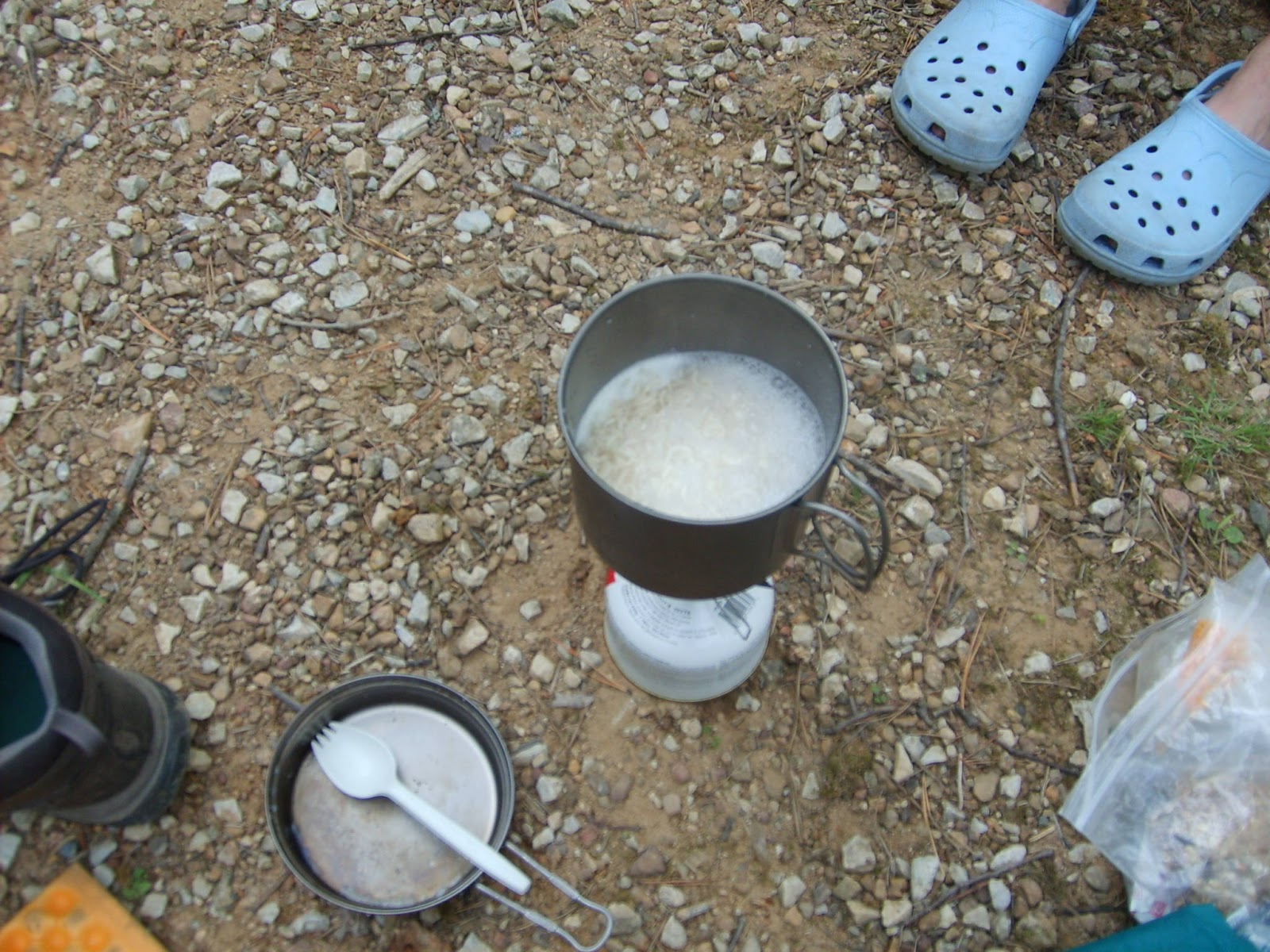
- Some like campfire cooking. I'm not sure I like the idea of a blackened pot to stow away in my pack. I find a canister stove works very well. I've used a pocket rocket for 7,000 miles of hiking. But if it works for you, go for it.

- The flames of a fire can be entertaining but I've seen hikers use other methods. Like a candle lantern. I saw two hikers do it and were perfectly content.

If you choose a campfire, please be responsible so others can enjoy the beauty of our woods. And be sure to put out the fire completely. DO not leave it smoldering when you go to bed at night or leave in the AM.

With care and consideration campfires can be an enjoyable part of the hiking experience.    

Related Blogs:

Plan and Prepare for that Trip

Town Etiquette for Hikers

Thursday, May 05, 2016

Plan Ahead and Prepare for that Trip!

I thought it was good to repost this. I was out during the FIRE in Shenandoah recently and found hikers woefully unprepared for what was happening. Not only did they NOT know about the fire and the closed trails (!), but did not plan for water in dry areas or their hike in general. Every season as a ridgerunner I see backpackers failing to plan and prepare for their trip They end up miserable, possibly in danger, or having to end the journey prematurely. Because of it, they lacked what was needed to help ensure a timely and safe hike. Others do not seek out the regulations in the area where they plan to camp - such as securing permits for Shenandoah - and must alter their plans


With that in mind, I have taken principles from the Leave No Trace web site to help illustrate some good ideas when deciding on a hiking trip. Plus I add a few of my own.  

"Adequate trip planning and preparation helps backcountry travelers accomplish trip goals safely and enjoyably, while simultaneously minimizing damage to the land.

PRE-TRIP PLANNING
Poor planning often results in miserable campers and damage to natural and cultural resources. Rangers often tell stories of campers they have encountered who, because of poor planning and unexpected conditions, degrade backcountry resources and put themselves at risk.

WHY IS TRIP PLANNING IMPORTANT?
You may want to create additional answers for this list:
  • It helps ensure the safety of groups and individuals.
  • It prepares you to Leave No Trace and minimizes resource damage.
  • It contributes to accomplishing trip goals safely and enjoyably.
  • It increases self-confidence and opportunities for learning more about nature.

SEVEN ELEMENTS TO CONSIDER WHEN PLANNING A TRIP

  • Identify the goals (expectations) of your trip.
  • Identify the skill and ability of trip participants.
  • Select destinations that match your goals, skills, and abilities.
  • Gain knowledge of the area you plan to visit from land managers, maps, literature and online resources.
  • Choose equipment and clothing for comfort, safety, and Leave No Trace qualities.
  • Plan trip activities to match your goals, skills, and abilities.
  • Evaluate your trip upon return note changes you will make next time.
CONSIDER Also:
  • Weather
  • Terrain
  • Regulations/restrictions (permits, camping areas, fires)
  • Private land boundaries
  • Average hiking speed of group and anticipated food consumption
  • Group size (does it meet regulations, trip purpose and Leave No Trace criteria?)
  • Water availability
Meals are another element to trip planning that can have a profound effect on the impact a group has on a backcountry area.

Benefits of Good Meal Planning:


  • Reduced trash.
  • Reduced pack weight, resulting in faster hiking times and less fatigue.
  • Reduced dependence upon campfires for cooking.
  • One-Pot Meals and Food Repackaging

Planning for one-pot meals and light weight snacks requires a minimum of packing and preparation time, lightens loads and decreases garbage. One-pot meals require minimal cooking utensils and eliminate the need for a campfire. Two backpack stoves can be used to cook all meals for large groups if you have two large pots (one large pot can be balanced on two stoves when quick heating is desired). Don't rely on campfire cooking (and please, do not make aluminum foil HOBO meals. I have seen too much foil left in campfire rings). Most food should be removed from its commercial packing and placed in sealable bags before packing your backpacks. Sealable bags (like ziploc bags) secure food and reduce bulk and garbage. Empty bags can be placed inside each other and packed out. This method can reduce the amount of garbage you must pack out at the end of the trip and eliminate the undesirable need of burying unwanted trash or burning it in a campfire (NEVER burn your trash!)"


Other things to consider. It's important to know before you go. Know where you are going. Know your physical limits, especially as you are carrying a backpack over uneven terrain. Bring maps, compass, guidebooks of the area you plan to hike. There are map apps for your phone. In some areas it's good to have a GPS device. Familiarize yourself with the area. Bring a cell phone for emergencies. Know first aid and what to do in an emergency, for unplanned weather, or if you are injured. Bring adequate clothing and equipment like a good tent (don't rely on trail shelters) and water purification. Always pack an extra day of food in case you must stay for an extra  day because of bad weather. Don't rely on fires to keep you warm but have a good sleeping bag and warm weather clothing like merino wool underwear, an insulated jacket, a hat, and rain gear. Be sure to keep your sleeping bag and clothing dry at all costs.

Don't let poor planning and preparation ruin your dream.